From the Head of Secondary 23.11.2019
This week you can read about what individual students, groups of students and staff have been getting up to recently. The Duke of Edinburgh Award scheme is of major importance in Secondary and our leading staff inspire the students to test themselves during the adventurous journeys. You can see how our Bronze group were challenged in the great outdoors recently. I have never heard a student utter the words “I wish I had never participated in the Duke of Edinburgh scheme!” We have the Silver group heading out on Sunday for their three day adventurous journey and we wish them all the best for that. I am sure we will hear all about in a future newsletter.
Also in this newsletter read all about Julia’s rather exciting time tagging turtles, written in her own words. What a wonderful opportunity for her! We have had quite a few trips going out recently so read here all about Year 8 Geography Field trip. We also have the Year 12/13 Biology field trip which is underway as you read this. Many thanks to the teachers for facilitating the students’ learning within the wonderful environment of Sabah.
Our FOBISIA U15 team returned triumphant yesterday. In addition to the glowing medals marking their successes in the pool, track and court, of which they should feel hugely proud, they have built memories that will stay with them for a very long time. Our students are powerfully positive ambassadors for KIS. Many thanks to the staff who trained and managed the students and encouraged them all the way, and of course to parents for all your support.
Continuing Professional Development [CPD] for staff is extremely important at KIS. We need our teachers to be the best that they can be and for that to happen they must have access to all the latest ideas in education and the opportunities to share their practice with colleagues in other schools. In this edition of the newsletter read all about Mrs Bernard’s experience at the FOBISIA Teachers’ Conference 2019. Mrs Bernard will be sharing all of her resources with the teachers and we look forward to looking specifically at how these can add to our skill and expertise.
Margaret Renshaw
Head of Secondary
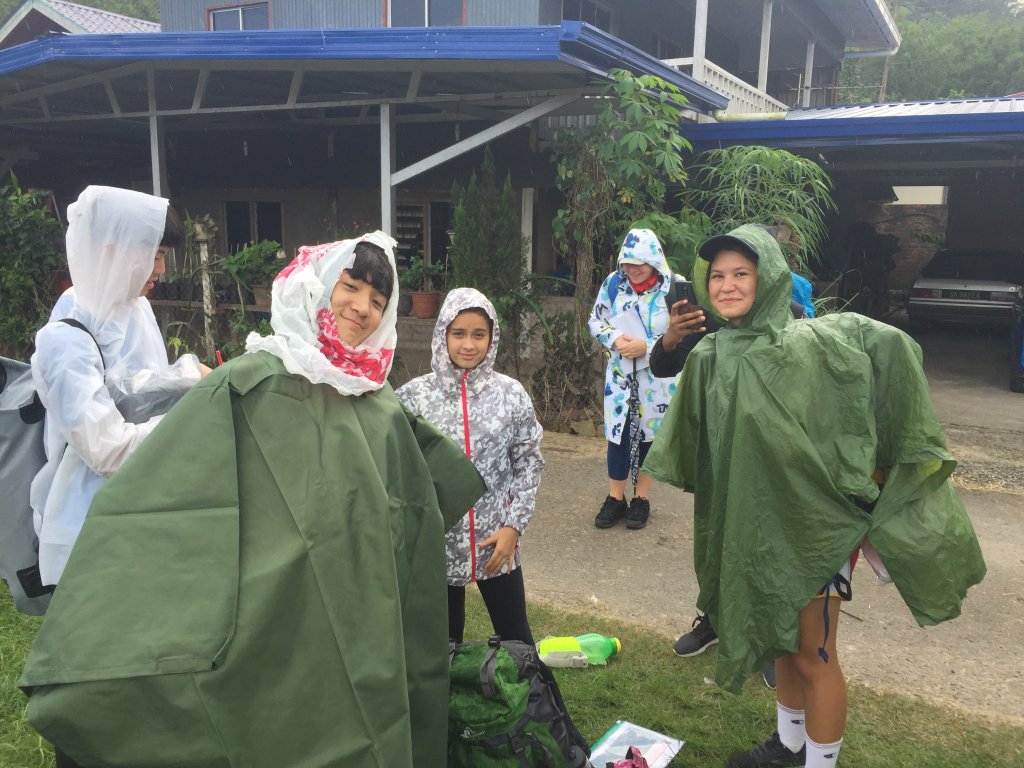
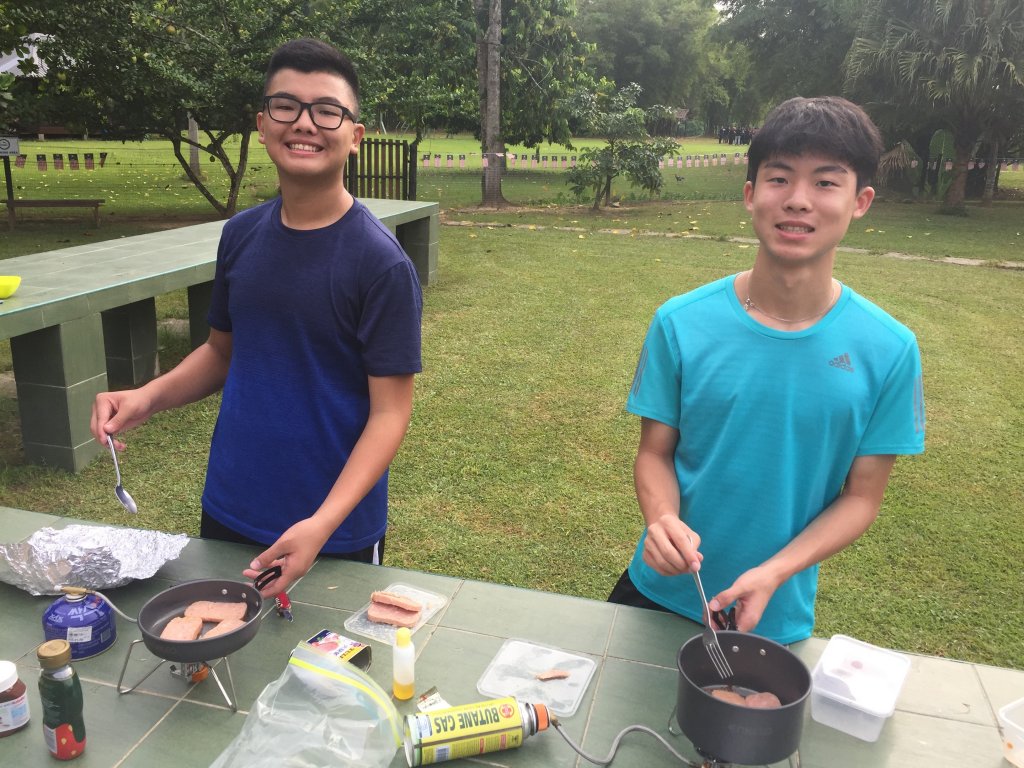
Bronze Duke of Edinburgh – International award – successful practice journey for 14 students!
Friday the 15th November saw 14 students nervously assemble by the gate school with their large rucksacks packed with clothes, food and other emergency essentials needed to be able to complete the two day Adventurous Journey which they had been planning and training for over the previous months.
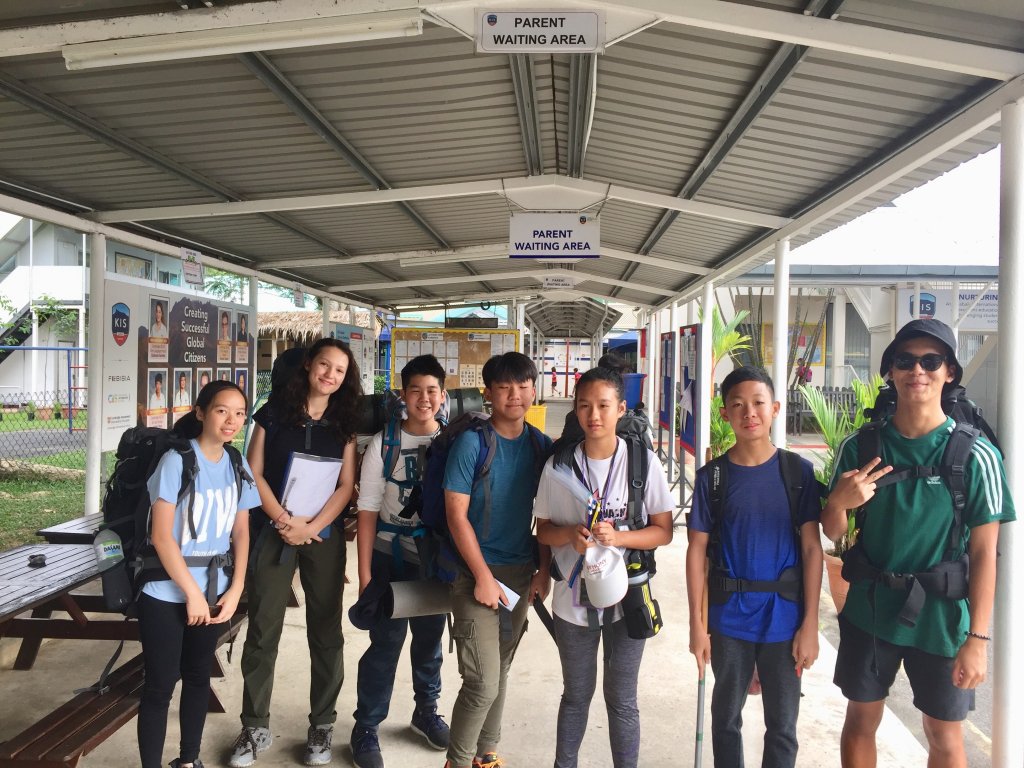
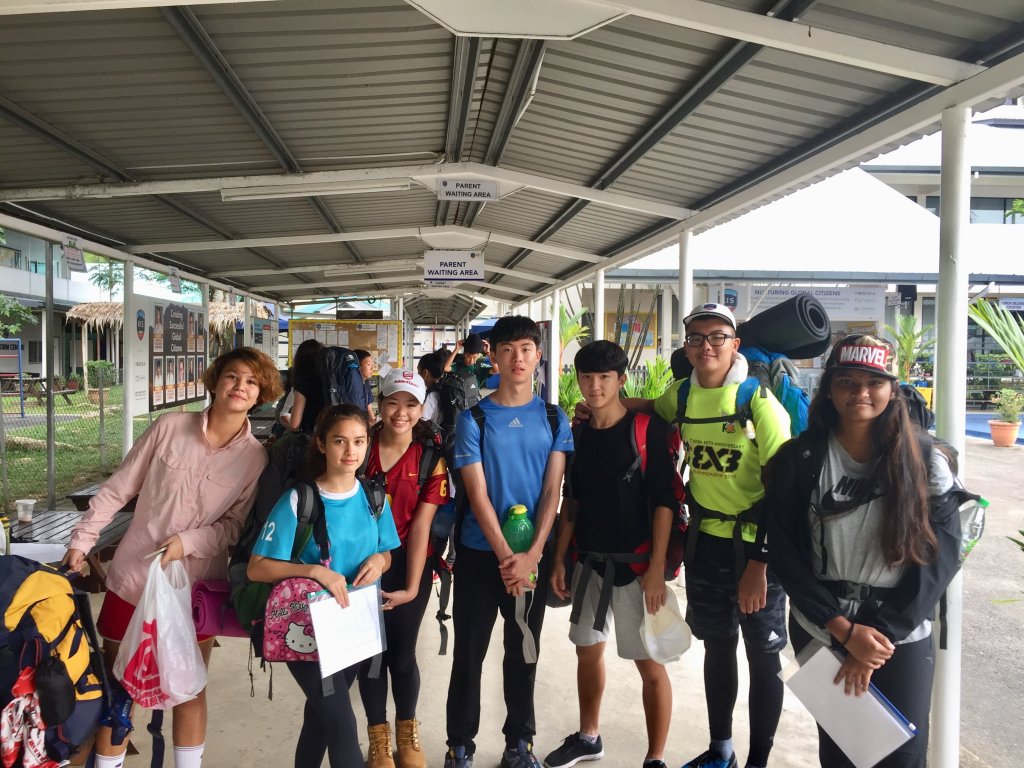 Their training sessions, which started in Term 3 in Year 9, involved the students in learning how to follow a route from a map and route card, pitch their tents, plan a menu and then cook the food which they brought and carried with a gas stove. This term we have also focussed on safety with first aid training sessions and a session on now to pack their rucksacks.
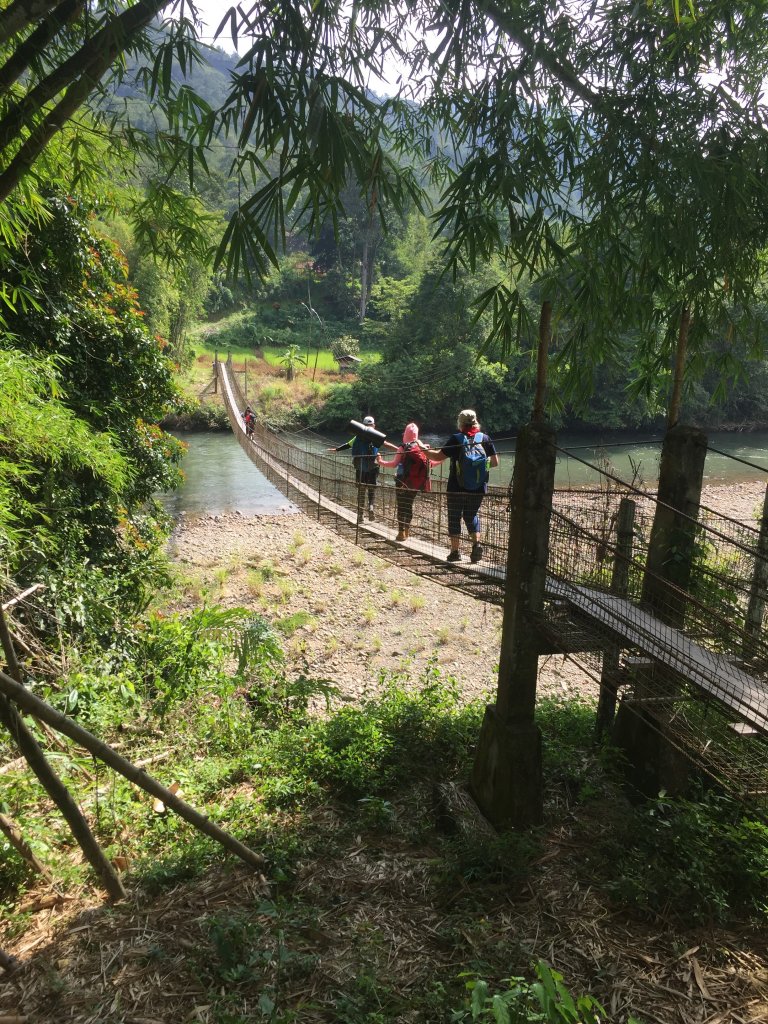 This culminated in two teams of students successfully setting out on their 12km Day 1 route along the Kiulu River valley to reach The Adventure Centre in plenty of time to get their camp site set up. Food was prepared, cooked and eaten with some success and after a night in their tents they awoke to a sunny morning next to the Kiulu River. Breakfast was prepared, although the pancakes pre-prepared by one team seem to have provided to a much better start to the morning of Day 2. Some team-building activities with the Zip Borneo crew then took place, zipping over the river and climbing or traversing the ropes on the tower after which our participants donned their rucksacks, all the lighter for having eaten most of their food and they navigated their 7km day 2 route into Tamparuli.
Well done to both teams, they are now ready to start planning their routes for their Assessment Journeys which will take place in mid-February next year.
7th Borneo Divers Celebration of Sea Turtles in Mabul
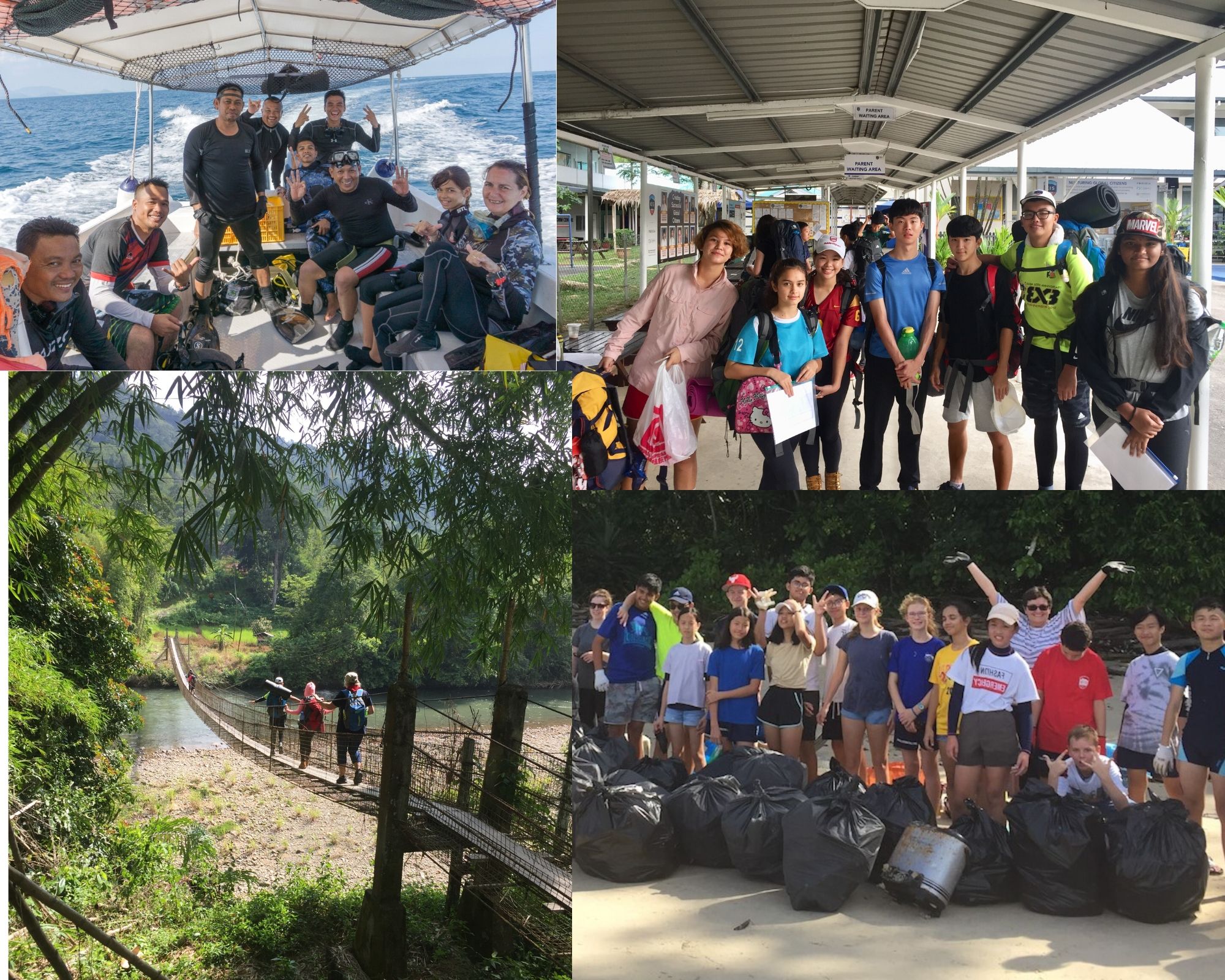
Last week, from the 13th to the 16th November, I went to Mabul for a very special turtle programme I was invited to participate by Christine Perroud, the organiser, along with Dr. Pushpa from UMS, and my dive buddy. It was my second time joining the project.
I was staying at the Borneo Divers Mabul Resort, just in front of the jetty. I had to take a 50 minute flight to Tawau, then a 1 hour and 20 minute bus ride to Semporna and finally a 35 minute boat ride to Mabul to arrive by noon.
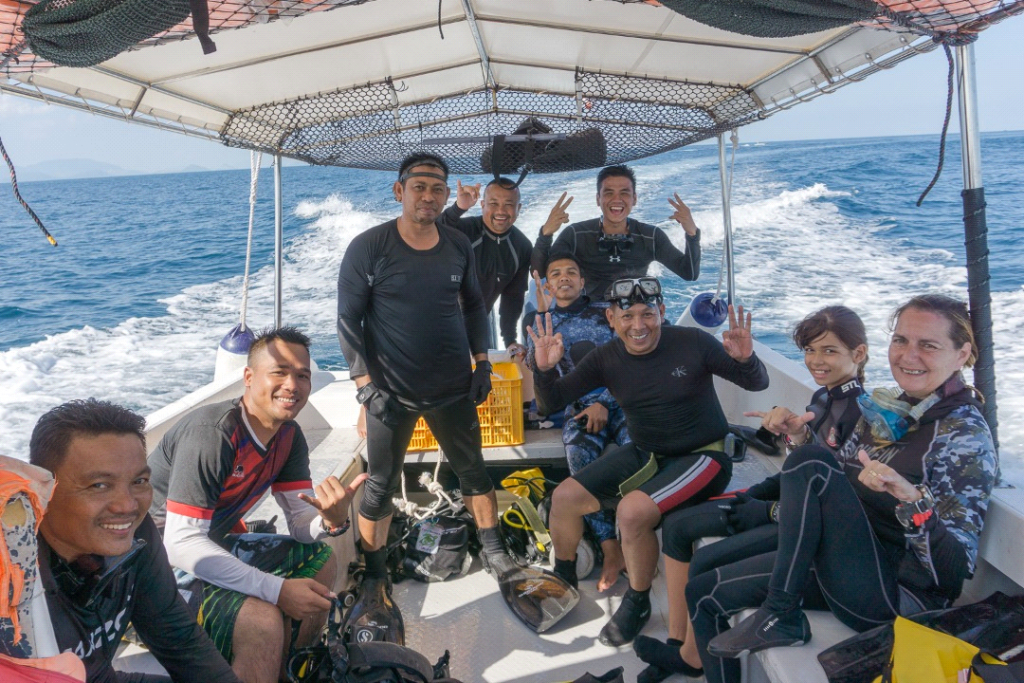 The project consists of two very different steps which are definitely complementary.
The divers’ boat: this is the very difficult job of catching turtles underwater…because they are FAST! Once they are finally caught, their front fins are tied with ropes that attached to a brightly coloured inflatable buoy that the research boat will collect, along with the turtle.
The research boat: this is where the turtles are taken from the surface onto the boat; they are measured and photographed and tagged if they haven’t already been tagged previously. To stop the divers from catching the same turtle twice, an area of their carapace is brushed with a metal brush to make it dry and then a number is written on it with paper ink. The ink eventually wears off.
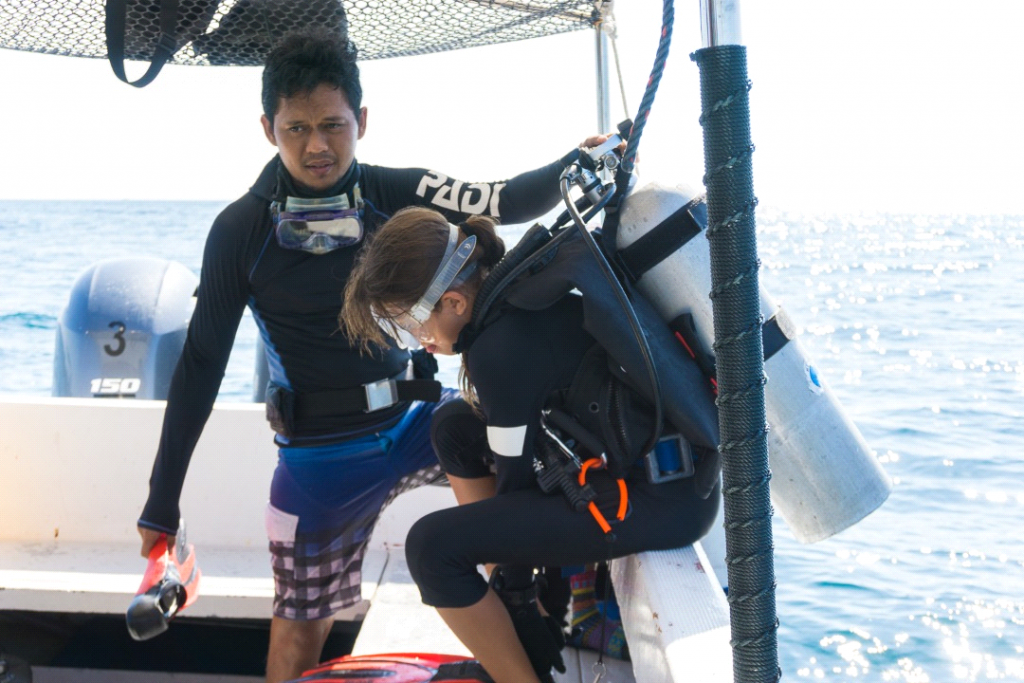
I did a total of 7 dives in three days and went 3 times on the research boat. They will usually do 5 dives a day, but that would have been way too exhausting.
After the official programme was finished, you can adopt a turtle if you want to. Last year I adopted a male juvenile green turtle that I called ‘Will’, so this year I wanted to adopt an adult female hawksbill turtle as they are rare to spot, and I named mine ‘Ocean’. Unfortunately, we didn’t catch Will again this year, so I couldn’t be updated about how much he had grown…hopefully next year, if I go again, I will get to see both my adopted turtles!
Bonus: They caught, for the first time, an Olive Ridley turtle. Google it to find out more!
I had a lot of fun during the few days I was there. It was an amazing experience and I am very grateful to KIS supporting me by allowing me to enjoy this exciting adventure!
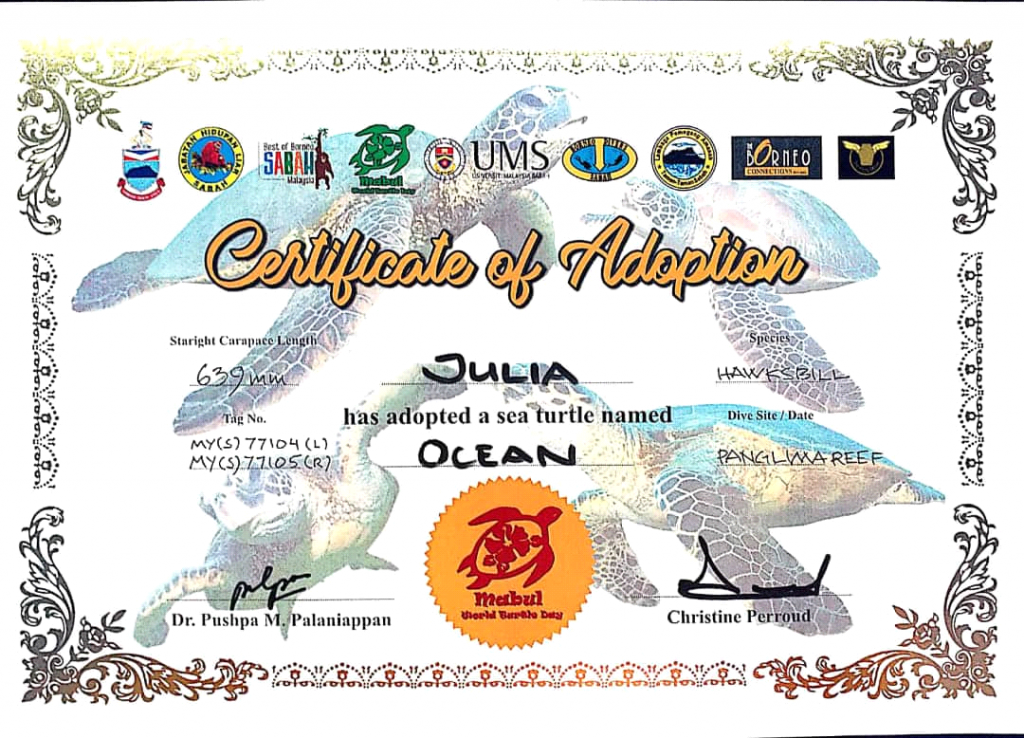 Julia Rabenjoro 7K
Year 8 Geography Trips
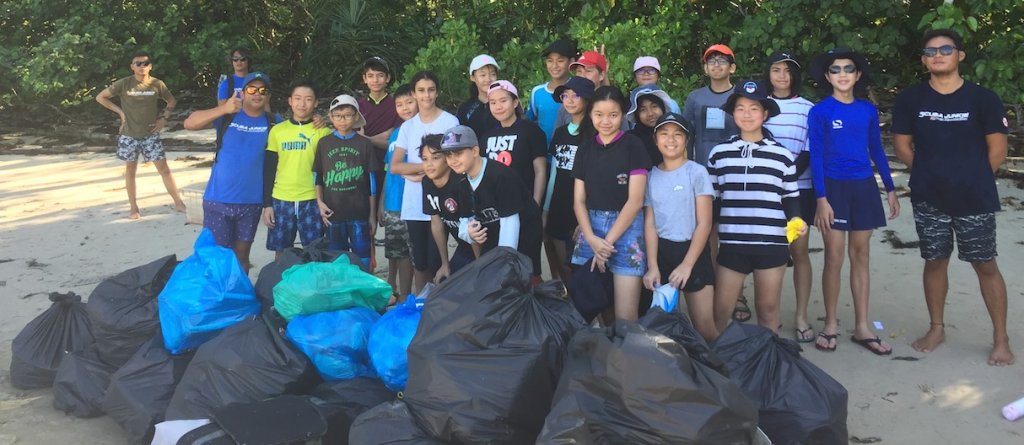 In Geography, Year 8 has been learning about erosion and weathering processes which create coastal landforms such as caves, arches and stacks. In addition they have learnt about coral reefs.
On 18th and 20th November both classes ventured out of the classroom to see these things in reality. On Gaya Island the students saw human impacts by way of rubbish lining the beach and each class carried out a one hour beach clean-up. 8S gathered 206kg of plastic, metal, glass and other waste while 8K on 20th November cleared 208.5kg.
Then it was onto Sapi where students snorkelled at Sapi Beach and Sapi Coral Garden. At both locations, they counted species of fish. After lunch, using ranging poles, tape measures and tennis balls, students investigated longshore drift as well as measuring rocks and pebbles. These Geography fieldwork skills build onto the Year 7 work
Back at school, students will collate their data, present it in the form of graphs and decide if they agree with the hypotheses that were set at the beginning. It is important that students are able to apply theoretical learning to the practical especially as this develops students’ critical awareness and evaluative skills.
Thank you to: Ms Tooley, Ms Service and Mrs Davis for accompanying; to Scuba Junkie; and to Ms McNutt for organising two brilliant trips!
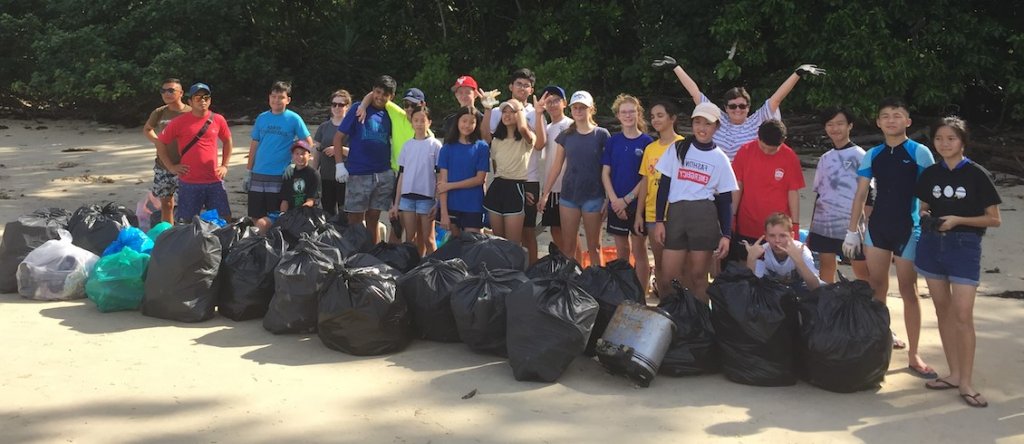
8K
FOBISIA Teaching Community Conference Penang
2019 15th – 16th November
A report from Mrs Bernard
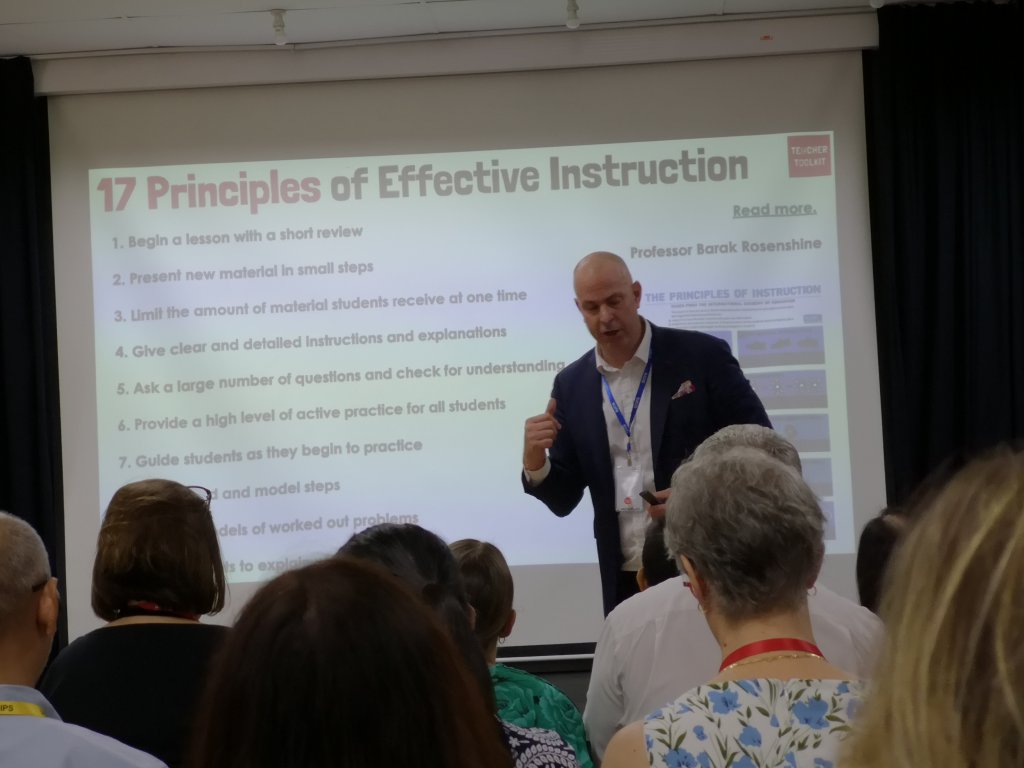 More than 150 delegates from a range of schools participated in this year’s conference at St.Christopher’s International Primary School in Penang. There were a total of 68 different workshops and one discussion session during the two conference days. The workshops were divided into eight categories divided between Secondary and Primary: Early Years workshops, Wellbeing workshops, Whole School workshops, Career Advancement workshops, Technology workshops and Teaching Assistants’ workshops. On each day, delegates were to attend 4 to 5 workshop sessions and a Keynote presentation.
Participants were welcomed by the Principal of St. Christopher’s and the FOBISIA Chair. We then had an interesting and refreshing presentation from the first Keynote speaker, Mr. Ross Morrison McGill. Mr. McGill’s presentation was about Just Great Teaching – issues of marking and assessment, planning, teaching and learning, teacher wellbeing, student mental health, behaviour and exclusions, SEND, curriculum, research-led practice and CPD.
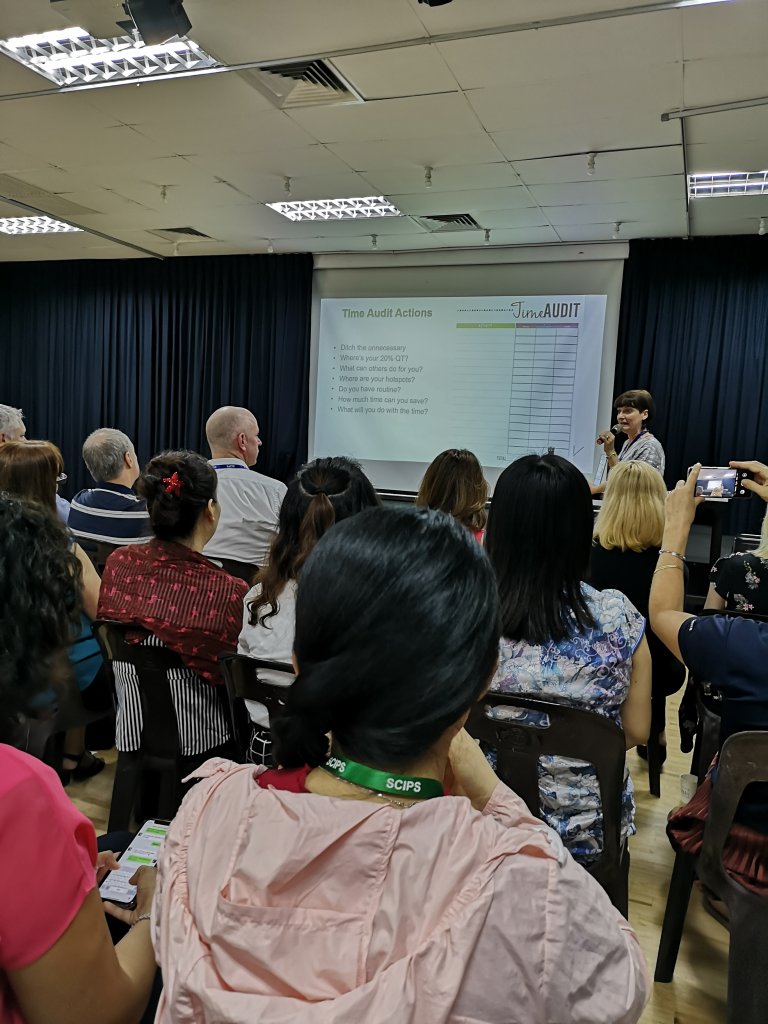 I attended these workshops on the first day:
| Technology to Enhance Teaching and Learning
In this workshop, the facilitator talked about how technology can be used to create a paper free classroom whilst enhancing teaching, learning, and feedback. Technologies covered ncluded, Google classroom, GoFormative, EdPuzzle, Socrative, and Kaizena for voice comments on student work. Learning to Remember The discussion was about the science behind learning and identifying practical and easily implemented examples of how you can apply this in the classroom. Discussion was focussed on practical strategies based on diagnostic assessment, efficiency in marking, retrieval practice, spaced practice, and learner retention. I found this workshop to be very useful and I plan to use it in my IGCSE and A level classes. |
Mark, Plan, Teach Tour (2 workshop sessions)
This was about how each stage of the teaching process informs the next, building a cyclical framework that underpins everything that teachers do. These ideas could enable all teachers to maximise the impact of their teaching and, in doing so, save time, reduce workload and take back control of the classroom.
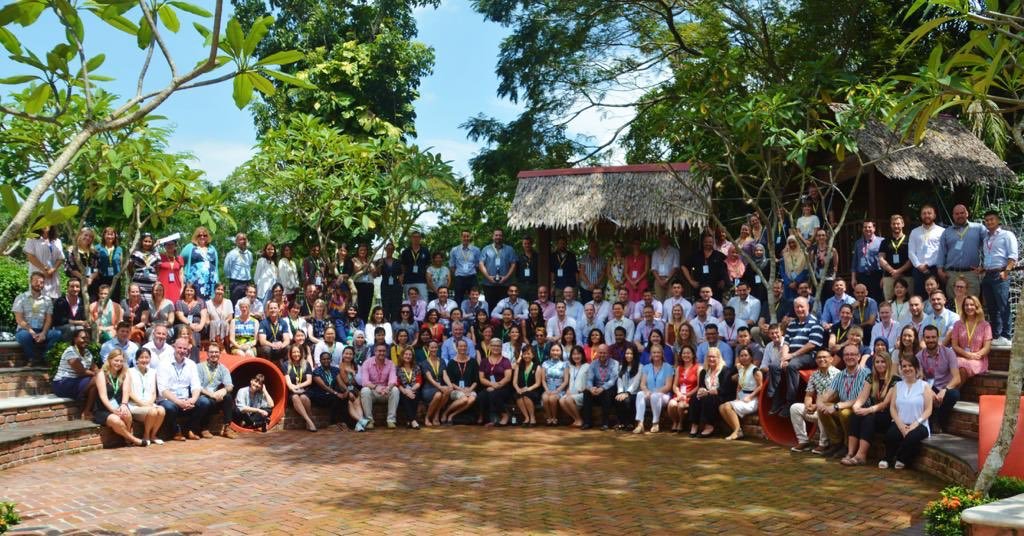
Saturday 16th November 2019
On the second day, we started off with a very inspiring and charismatic presentation by the second Keynote speaker, Ms. Lisa Jane Ashes. Ms. Ashes’ presentation was about Solution Focused Teaching and Learning – where problems are considered as a natural part of teaching. She spoke about how to deal with the problems that will either develop teachers’ practice or make them pray for the holiday!
Day Two
Developing Global Citizens
| We looked at ways to stimulate and inspire students to be change-makers in their communities. Discussion included practical advice, real-world examples and brainstorming. |
“What If…” Developing Innovation!
This focussed on what innovative thinking is, why it is important and how it can be translated into practical initiatives. The facilitator shared examples of original events that have changed and improved the teaching and learning culture at Harrow International School Bangkok.
The use of Students Building their Own Website
| This workshop was similar to Technology to Enhance Teaching and Learning workshop held the previous day. The facilitator discussed some applications that can be used to share students’ work. |
Plan Learning, not Teaching (double workshop session)
The chaired a discussion of ways to improve classroom practice:
- Teaching backwards and seeing the bigger picture
- How to stretch learners with high prior attainment
- Effective use of homework which supports independent thinking, creates greater breadth/depth in a subject and scholarly knowledge
- Effective use of assessment for learning, meta-cognition, and self-regulation to assess learning
- Embedding literacy, numeracy and citizenship across the school
This was a wonderful weekend with lots of learning and networking taking place!
Lucy Bernard


