From the Head of Secondary 17.10.2020
As we come to the end of this long and interesting half term I want to express my thanks to students, staff and of course parents for all of their hard work. It was wonderful when we were in school and heartening to see how students adapted to the SOP measures that were put into place. The unfortunate directive re home learning meant that we had to quickly change direction somewhat. The wonderful thing is that everybody was stoic and simply got on with it. We had the practice, of course, last term, and we were able to reflect on that and make improvements to the way that we did things previously. Students have, by and large, responded magnificently to the challenges. Attendance has been excellent and very few students have failed to turn up for lessons without good reason [ie the internet going down]. Parents have been very helpful in informing us when there have been obstacles at home which have created minor blips in accessibility. Students continue to take their learning seriously and teachers are working hard to make their lessons as engaging as they were at school.
Many of you will by now have read the first edition of the student newspaper. It is the result of many hours of sustained hard work, and thanks must go to the students involved, and of course, Ms Bater for the inspiration and encouragement that she afforded the students. I am already looking forward to the next edition!
Interim reports for Year 7 and our new students in Years 8 through to Year 12 were issued on Thursday. Reading each one, I was very impressed with the way that students had adapted to their new school, with new teachers, new ways of working, and new demands. It’s not easy. I can still remember my first days at my Secondary school, all those decades ago, as I am sure many of you can. At KIS we do work hard to ensure that each student feels comfortable and happy in school.
This year our professional development focus is ‘Assessment for Learning’. This means that as teachers we have all set targets, individually and in our teams, to highlight this important aspect of the learning process. In this newsletter read on to discover how our Humanities teachers, Mrs Davis and Miss McNutt, tackled this in wonderfully creative ways with their students in Years 7 and 8.
All best wishes for a wonderful half-term break!
Mrs Renshaw
Deputy Principal
Head of Secondary
Assessment for High Quality Learning
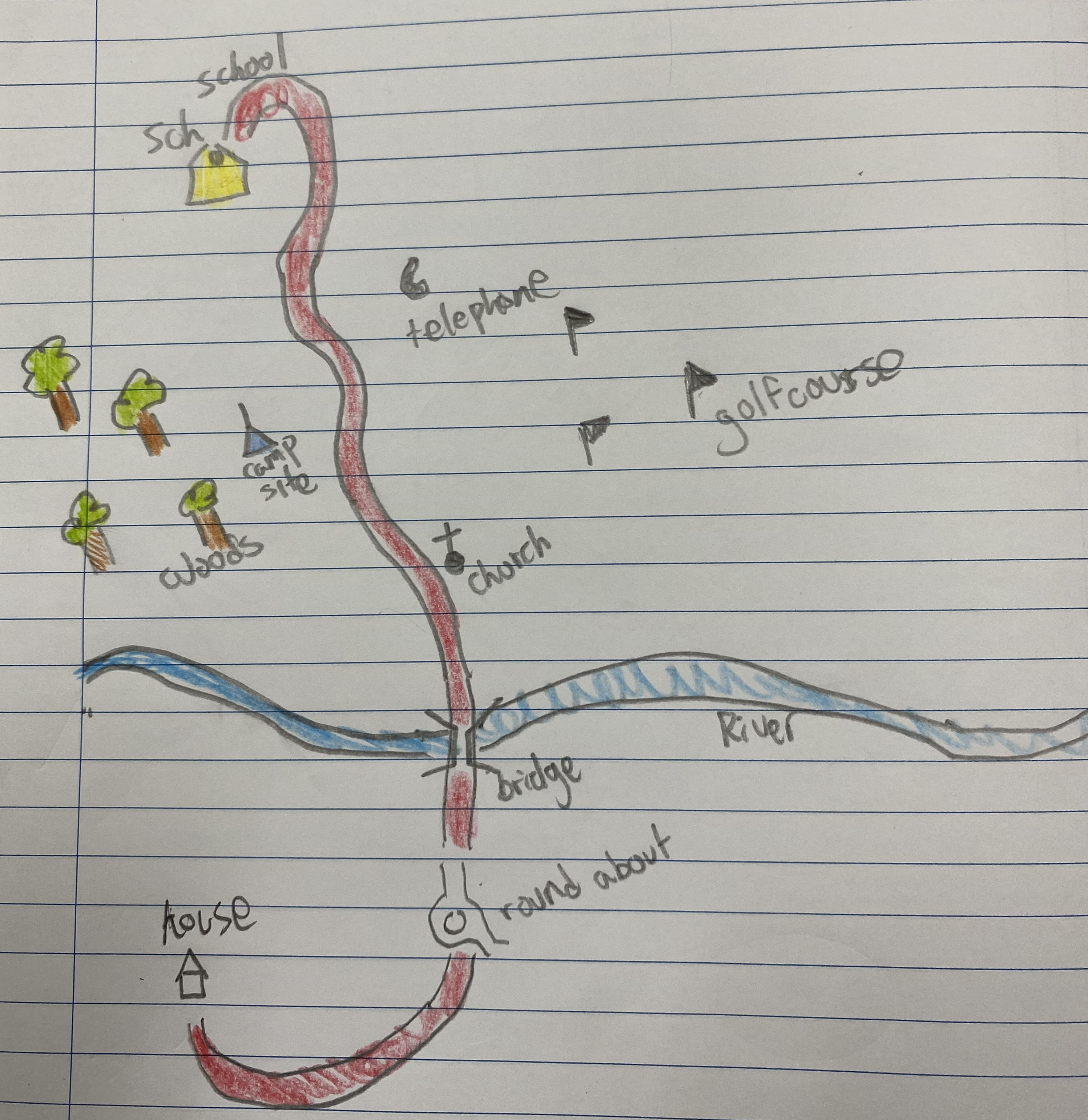
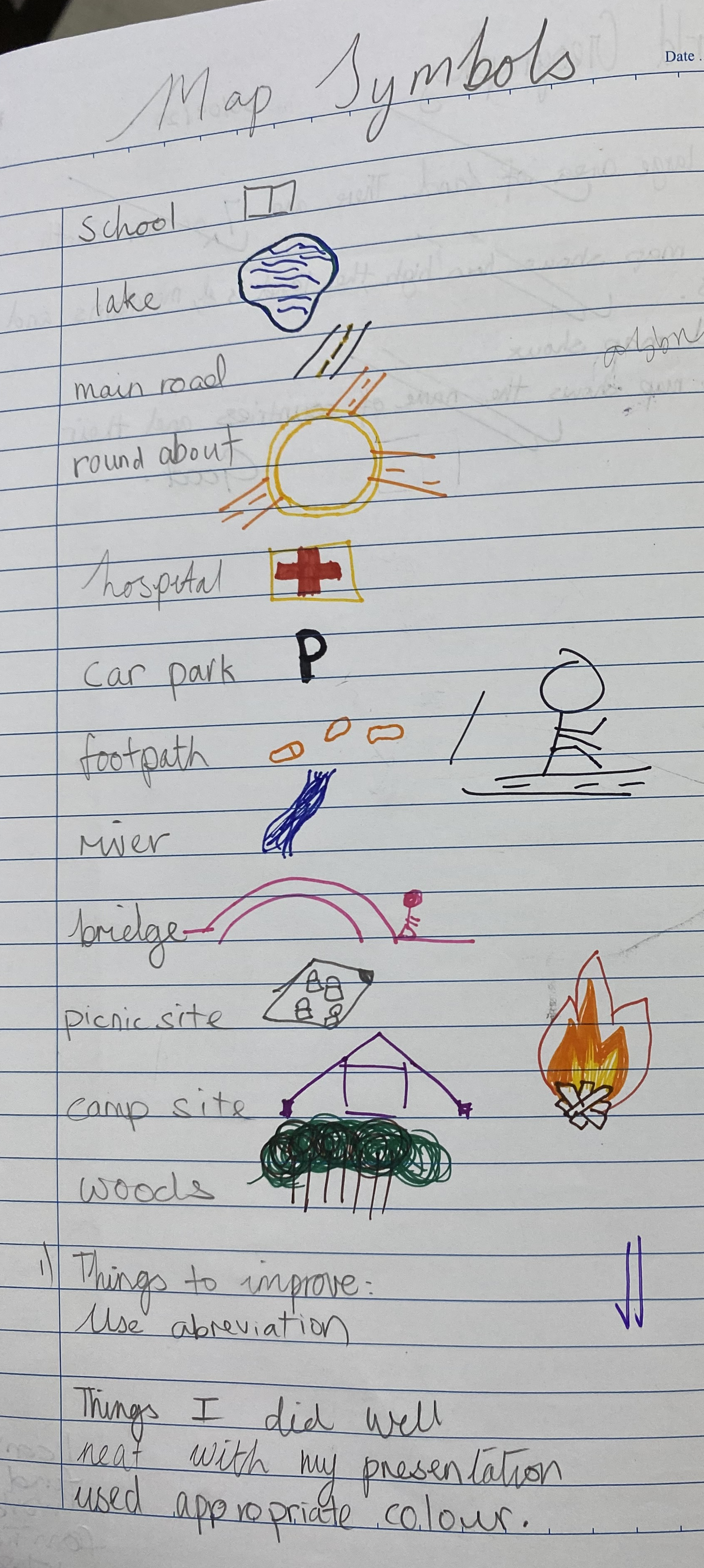
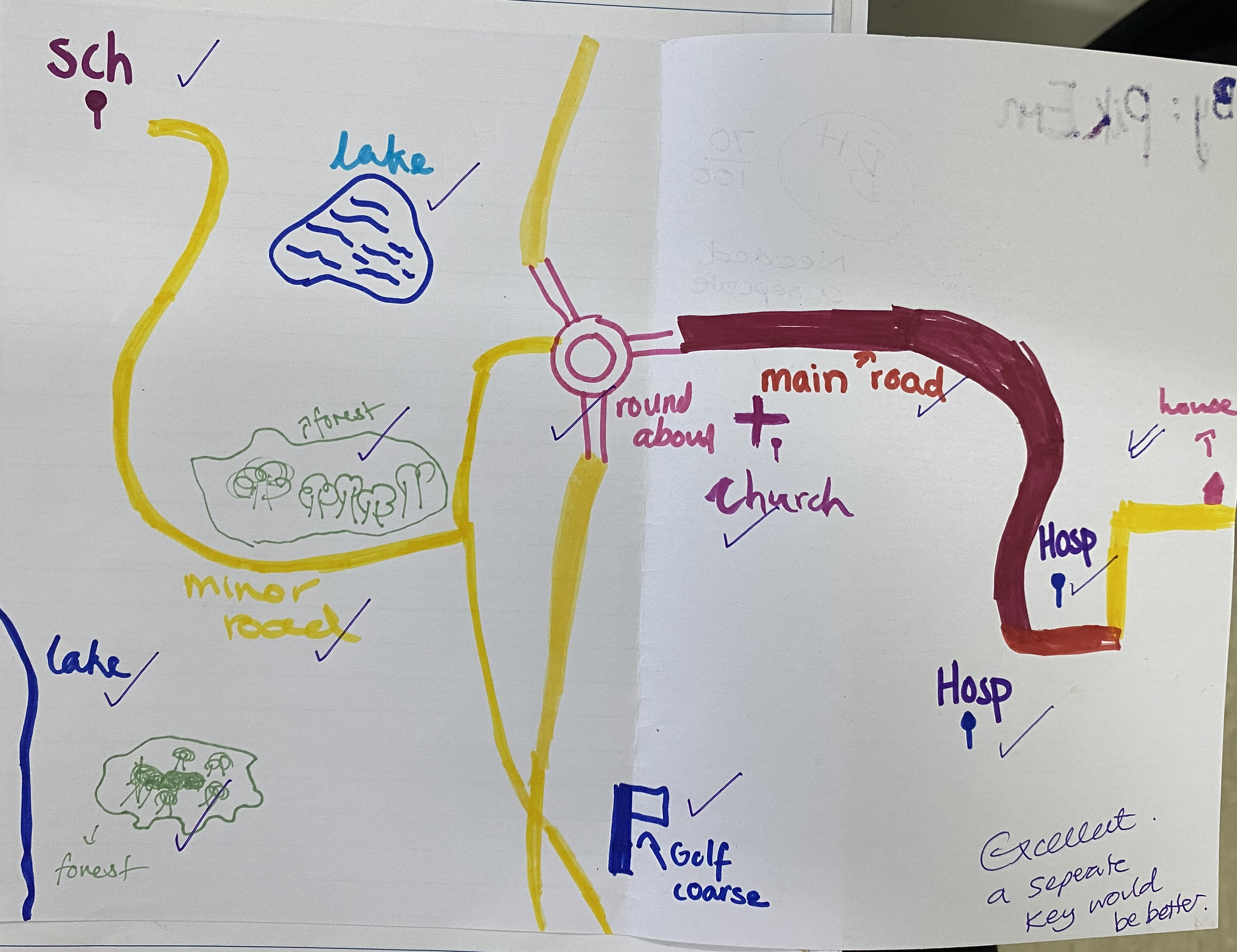
Monday morning, period 1 and Year 7 were to experience assessment for high quality learning. The students listened to a series of directions and simultaneously, drew what they heard. We all have experience of this when we, for example, take down directions over the phone. In one class, students were able to use colours, in the other, they stuck to pen and pencil. The finished product should have been a map.
Students were then asked to reflect on the process and product. They had to identify two things that worked well and one thing they could improve. Improvements included being neater or listening more carefully while the positive comments included: “…the symbols because it looked easy to understand and I included a key”; “I had real symbols” and “the pictures were very successful and very clear”.
This activity demonstrated Assessment for Learning as students were encouraged to assess their own work. In identifying what was good and what needed to improve, students were identifying the criteria on which they will judge the next, similar task. This gives students greater control over their learning.
This activity was high quality personalised learning as students thought about their own learning and what they did to produce a recognisable map. For those who didn’t draw a ‘map”, it was an opportunity to reflect on what they need to do differently next time. Homework that night was to apply what they had learnt in another map and key, or a story using map symbols instead of words. Year 7 students have taken more responsibility for their geographical learning and by reflecting, they have considered their own growth as learners.
The feedback we have gained from the Year 7 students helps us in our planning of future lessons. As we begin to introduce Ordnance Survey maps to students and teach map-reading, we can ask students to explain and evaluate the effectiveness of the symbols used.

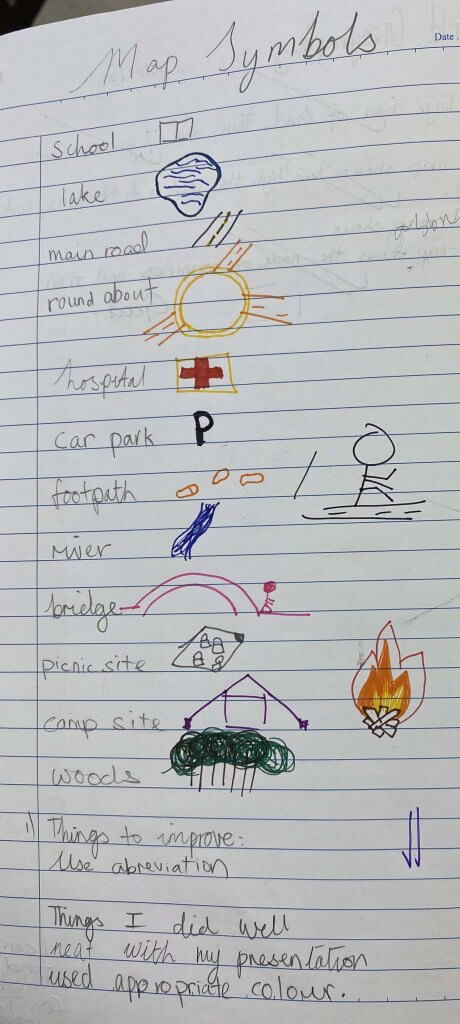
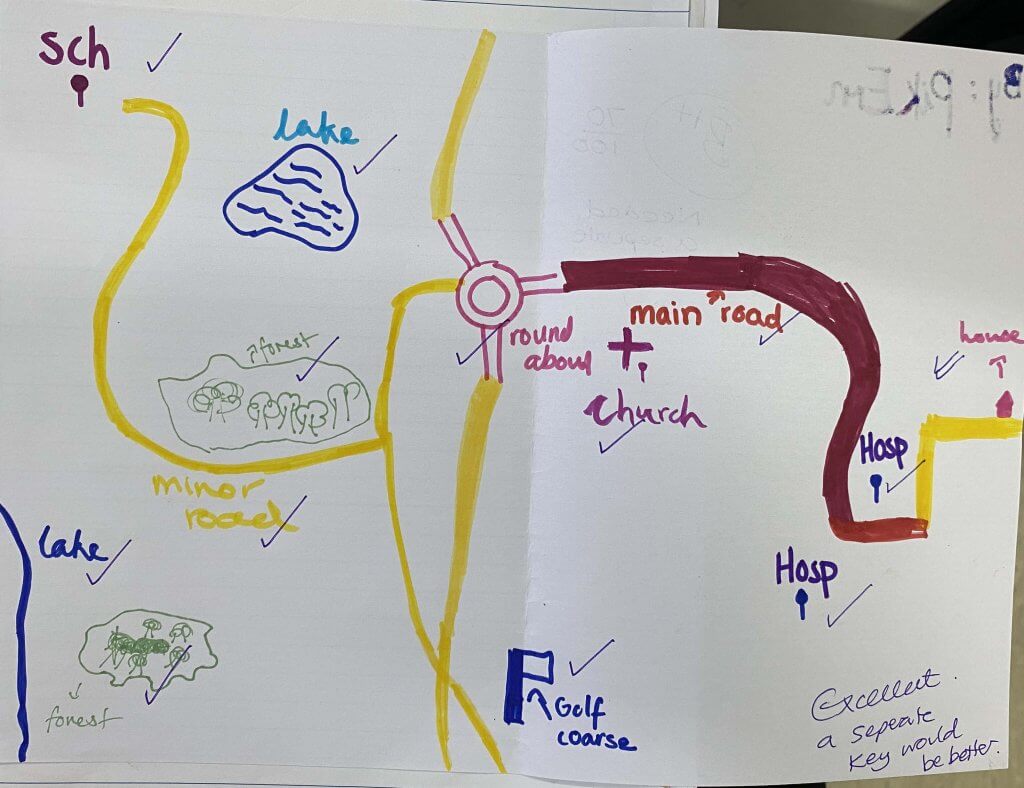
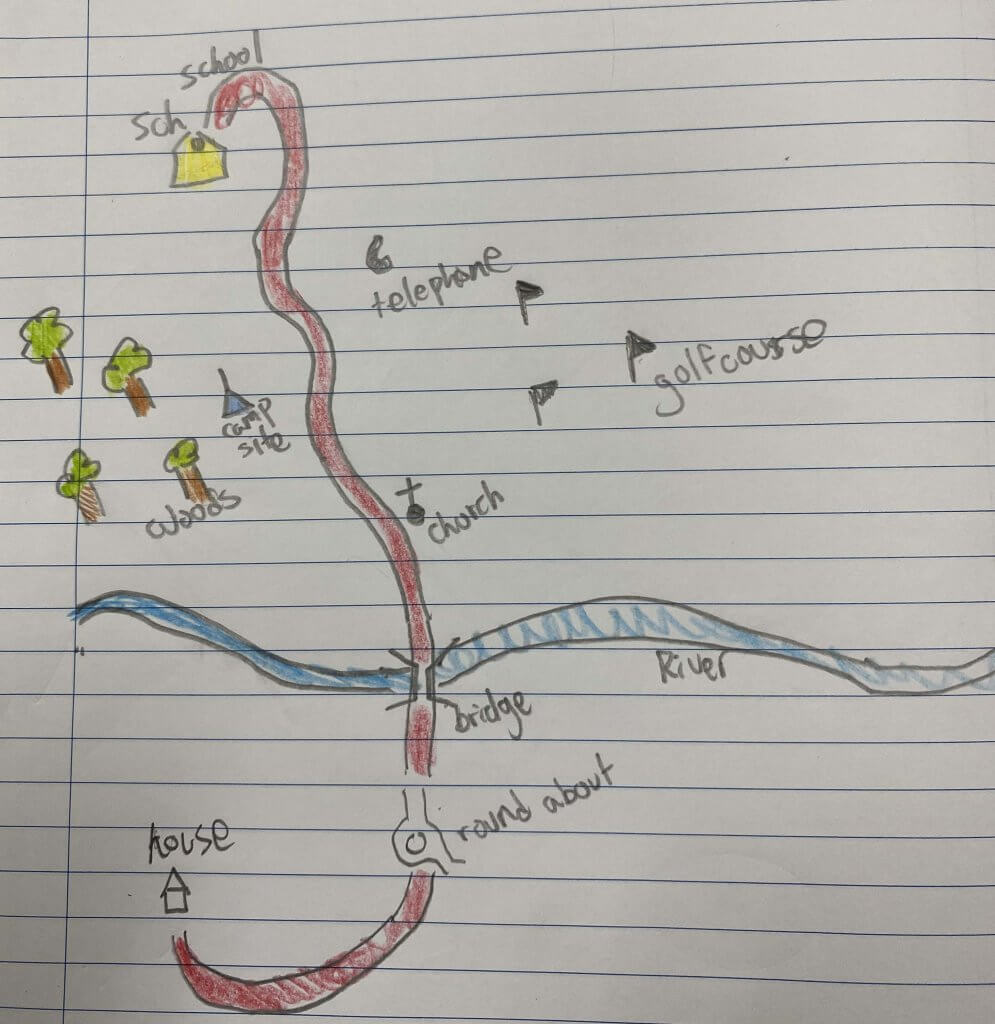
In another lesson, 8S were anticipating the return of their limestone assessment. Ticks and numbers only were deliberately used when marking their papers. As the papers were initially returned, 8S looked at the number mark and in their books, drew an emoji to describe how they were feeling. We then went through the paper, writing notes in different coloured ink as we checked the answers, so we could see which were areas of strength and those where we had to improve. Students then drew another emoji to depict their feelings at the limestone part of the paper (8S did well on this) and another for the map-reading section (we were not so strong in this area). Finally, students wrote 2 stars to highlight what they personally had done well and one wish as an area to improve.
Again, students have become autonomous and in charge of their learning.
Ms McNutt and Mrs Davis


